
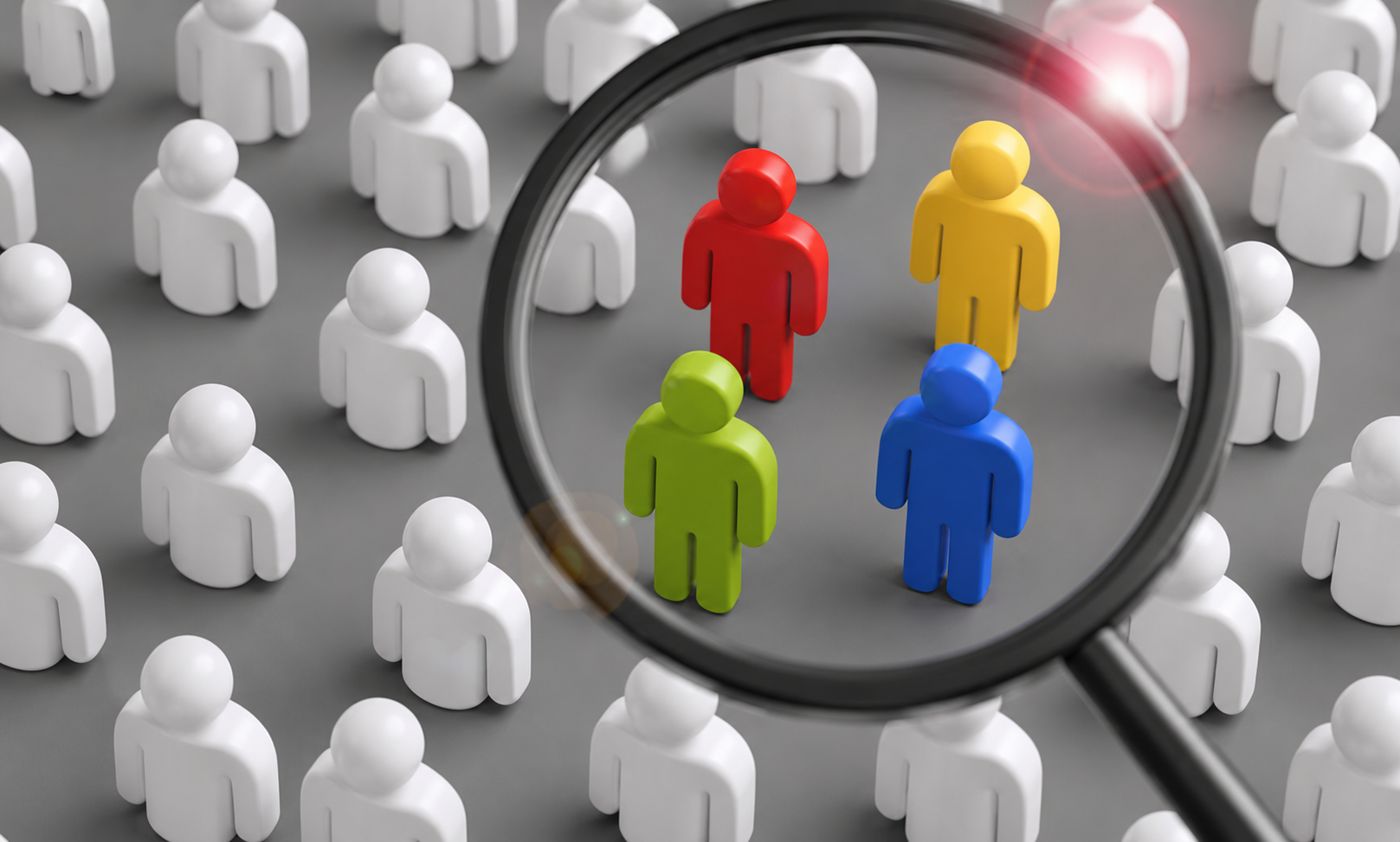
The Gallup Engagement Index Germany 2025 shows that there is still considerable potential when it comes to leadership in German companies. Only 23% of employees are confident that their company’s management will successfully overcome future challenges. At the same time, only 34% fully agree that their direct manager focuses on their strengths and positive qualities.
Yet this focus on individual strengths plays an important role in effective leadership. Gallup found that leaders who focus on their employees’ strengths can increase team performance by at least 20%.
Strengths-based leadership means consciously recognizing the individual strengths and behaviors of employees and leading them in a way that enables them to contribute and further develop their potential.
But why doesn’t this always work in everyday leadership?
Why Do Leaders So Often Lose Sight of Their Employees’ Strengths?
One reason may be that leadership is still often viewed primarily through the lens of performance, control and assertiveness. Leaders themselves are frequently under considerable pressure and therefore initially focus on meeting expectations, making decisions and ensuring results.
It is easy to lose sight of the fact that good leadership is not only about one’s own role but above all about the people being led. Leaders who want to support employees individually therefore need to reflect not only on their own behavior but also recognize how differently people respond to situations, tasks and demands.
A leader needs to stay true to themselves and act authentically. At the same time, it is important to understand which behavioral preferences employees demonstrate, which strengths they bring to the table and under which conditions they can make the best use of those strengths.
This is where a personality model can provide guidance. It creates a common language for understanding behavior and helps people become more aware of differences without putting individuals into rigid personality types.
The persolog® Personality Factor Model: Understanding Behavior and Recognizing Strengths More Effectively
The persolog® Personality Factor Model describes human behavior based on four behavioral dimensions: Dominant (D), Influencing (I), Steady (S) and Cautious (C). It helps people understand how individuals behave in different situations and how their behavioral preferences influence their interactions with others.
Rather than assigning people to fixed personality types, the model looks at the individual combination and expression of the four behavioral dimensions. Behavior can vary depending on the situation and environment.
For leaders, this understanding can help them reflect more consciously on their own leadership behavior and develop a more differentiated view of their employees. Understanding how people respond to demands, change, communication or decision-making processes can help leaders shape collaboration more effectively and take individual strengths into account more consciously.
The persolog® Personality Factor Model also provides a common language in training and seminars for reflecting on behavior, making differences visible and discussing development potential.
Recognizing and Developing Employees’ Strengths
People have different behavioral preferences and these differences can become clearly visible in everyday working life. For example:
- A person with stronger influencing behavior may struggle with tasks that are consistently highly detail-oriented and strongly standardized. People with a stronger expression of this behavioral dimension often seek interaction with others, contribute ideas and can inspire others to engage with a topic.
- A person with stronger cautious behavior, on the other hand, often places great importance on quality, clear structures and standards. Situations in which attention to detail is regularly sacrificed for speed can therefore be challenging.
- People with stronger dominant behavior often approach challenges proactively, enjoy making decisions and focus on results. Very long coordination and decision-making processes may conflict with their preferred way of working.
- People with stronger steady behavior often value cooperation, stable relationships and a trusting environment. Constantly changing tasks, requirements or processes can therefore place particular demands on them.
These examples show that behavior is neither inherently good nor bad. Depending on the situation, different behavioral preferences can bring different strengths and challenges. Of course, the working environment cannot be fully adapted to individual preferences.
Strengths-based leadership also does not mean assigning employees only tasks they find easy or particularly enjoyable. Instead, it is about taking a closer look: What strengths does a person bring? Which tasks allow them to use these strengths particularly well? What type of communication supports them? And in which situations might they need more guidance, freedom or security?
Understanding these differences enables leaders to support employees in a more differentiated way and consciously develop their individual potential.
Using Differences Within a Team as a Strength
Teams also benefit when different behaviors are not judged too quickly but consciously recognized and understood. People approach decision-making, communication, change and collaboration in different ways. These differences can lead to tensions but at the same time they can be an important strength of a team.
The persolog® Personality Factor Model helps make different behavioral preferences visible and easier to discuss. This can create a shared understanding of why people respond differently in similar situations and what strengths each person brings to a team.
For leaders, this means that not all employees need to be led in the same way. The more consciously individual behavioral preferences and needs are recognized, the more specifically communication, collaboration and development can be shaped. Strengths-based leadership therefore does not only focus on individual employees. It can also help teams become more aware of their differences and use them to strengthen collaboration.
Using the persolog® Personality Factor Model in Leadership and Training
For trainers and coaches, the persolog® Personality Factor Model provides a structured foundation for discussing behavior, strengths and collaboration with participants. The model can be used in areas such as leadership development, team development, communication, human resources development and coaching. The goal is not to assign people to a fixed type. Instead, the focus is on reflecting on behavioral preferences and their impact in different situations.
In this way, trainers can support leaders in becoming more aware of their own behavior while also developing a more differentiated view of their employees. D, I, S and C provide a common language for describing and reflecting on different behaviors.
The better we understand differences, the more consciously we can work with them: in communication, team collaboration and the individual development of employees.
Gain Practical Know-How for Your Training and Seminars
If you want to use the persolog® Personality Factor Model professionally in training, seminars or coaching, you can become certified in the model.
In the certification you will gain an in-depth understanding of the four behavioral dimensions D, I, S and C and learn how to use the model and its associated tools in your professional work.
You will gain practical know-how and receive materials that you can use in training, seminars and coaching as well as in leadership and human resources development.